
Politics
Wike Dismisses Opposition Coalition, Says Tinubu Remains Strongest Candidate for 2027

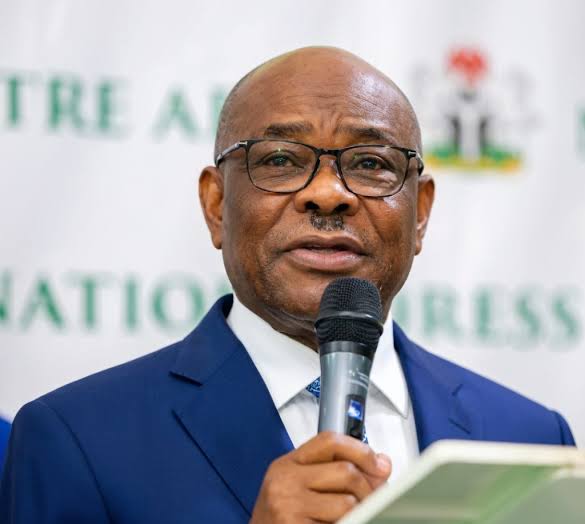
Minister of the Federal Capital Territory (FCT), Nyesom Wike, has downplayed the growing efforts by opposition politicians to form a coalition ahead of the 2027 presidential election, insisting that President Bola Tinubu remains the strongest political force in the country.
Wike’s remarks come amid increasing political activities across various parties as politicians begin positioning themselves for the next election cycle. Several opposition leaders have been engaged in consultations and alliance-building efforts aimed at presenting a formidable challenge to the ruling All Progressives Congress (APC).
According to the former Rivers State governor, political coalitions alone do not guarantee electoral success. He argued that winning a national election requires strong grassroots structures, effective leadership, and the ability to connect with voters across different regions of the country.
The FCT minister also expressed confidence in President Tinubu’s political experience and governance record, stating that the administration’s ongoing reforms would eventually yield positive results despite current economic challenges facing Nigerians.
Wike’s comments have generated reactions from both supporters and critics. While APC loyalists view his position as a realistic assessment of the country’s political landscape, opposition figures insist that growing public dissatisfaction with economic conditions could create opportunities for change in 2027.
Political analysts note that Wike remains one of the most influential figures in Nigerian politics. His ability to attract attention from both allies and opponents has continued to make him a significant player in national political conversations, even after his appointment into the federal cabinet.
The minister’s latest intervention is also being interpreted as a signal of continued support for the Tinubu administration at a time when political alignments are beginning to take shape ahead of the next general election.
Meanwhile, opposition leaders maintain that the ruling party should not underestimate the frustrations of many Nigerians over issues such as inflation, unemployment, insecurity, and the rising cost of living. They argue that these concerns could influence voter decisions when the country heads to the polls.
Despite these competing narratives, analysts believe the political environment remains fluid. With more than a year before major election campaigns begin in earnest, several developments could still reshape the political landscape.
For now, the debate over whether opposition coalitions can effectively challenge the ruling party continues to dominate discussions among politicians, analysts, and voters. As preparations for the 2027 elections gather momentum, statements from influential figures such as Wike are expected to play a significant role in shaping public perception and political strategy.
The coming months are likely to witness increased political maneuvering as parties seek to strengthen their positions and build support ahead of what promises to be another highly contested presidential election.

Efforts by opposition politicians to present a united front against the ruling All Progressives Congress (APC) in the 2027 presidential election have suffered a major setback following fresh divisions among key political figures.
What initially appeared to be a promising coalition aimed at challenging President Bola Tinubu’s administration is now facing uncertainty as disagreements over leadership, party structure, and candidate selection continue to widen.
Political observers had viewed the coalition as one of the strongest attempts in recent years to unite Nigeria’s fragmented opposition. The alliance brought together prominent politicians from different regions of the country who shared concerns about the nation’s economic challenges, insecurity, and governance issues.
However, cracks began to emerge as negotiations intensified. Questions surrounding who should lead the coalition, which political platform should be adopted, and how power-sharing arrangements would be structured reportedly created tensions among stakeholders.
The situation has become more complicated with some leading opposition figures choosing separate political paths rather than remaining within a single alliance. Analysts say this development could weaken the opposition’s chances of mounting a serious challenge against the ruling party, which continues to benefit from incumbency and an extensive political network across the country.
Supporters of a united opposition argue that Nigeria’s electoral history demonstrates the importance of strategic alliances. They point to previous elections where divided opposition votes benefited the ruling party and reduced the likelihood of a competitive contest.
On the other hand, some politicians insist that ideological differences and conflicting ambitions make a broad coalition difficult to sustain. They argue that forcing together politicians with different visions and interests may ultimately create more problems than solutions.
The APC has continued to express confidence in its political position, with party leaders maintaining that ongoing reforms and government policies will strengthen public support ahead of the next election. The ruling party has also benefited from a series of defections involving politicians from opposition parties in recent months.
Meanwhile, voters and civil society groups are closely monitoring developments, particularly as concerns about the economy, inflation, unemployment, and insecurity remain major issues across the country. Many Nigerians are expected to evaluate political parties based on their ability to provide practical solutions rather than campaign promises alone.
As the countdown to 2027 continues, opposition leaders face increasing pressure to resolve internal disagreements and present a clear alternative to voters. Whether they can overcome personal ambitions and political rivalries may ultimately determine the shape of Nigeria’s next presidential election.
For now, the dream of a united opposition appears increasingly uncertain, raising fresh questions about the balance of power heading into one of the country’s most anticipated electoral contests.

A court ruling directing the Independent National Electoral Commission (INEC) to deregister the African Democratic Congress (ADC) and four other political parties has sparked widespread debate across Nigeria’s political landscape, with stakeholders warning of far-reaching implications for the country’s democracy ahead of the 2027 general elections.
The judgment comes at a critical period when political parties are intensifying preparations for the next election cycle. The ADC, which has recently attracted several prominent politicians and opposition figures, now faces uncertainty over its future as legal battles are expected to follow the ruling.
Political observers say the decision could significantly alter ongoing realignments within the opposition. In recent months, several politicians dissatisfied with developments in their former parties have either joined or expressed interest in joining alternative political platforms, making the ADC one of the parties receiving increased national attention.
Supporters of the court’s decision argue that all political parties must comply with electoral laws and constitutional requirements. They maintain that adherence to legal and regulatory standards is necessary to strengthen Nigeria’s democratic institutions and ensure accountability within the political system.
However, critics have raised concerns that the ruling could limit political participation and reduce the number of platforms available to citizens seeking alternatives to the dominant political parties. Some analysts warn that any reduction in political diversity could have consequences for democratic competition and voter choice.
The Independent National Electoral Commission has yet to announce its next course of action regarding the judgment. Legal experts note that the electoral body is expected to carefully study the ruling before determining whether to proceed with implementation or await the outcome of possible appeals.
Meanwhile, party leaders and stakeholders across the political spectrum have continued consultations over the implications of the development. The case has also reignited discussions about the role of smaller political parties in Nigeria’s democratic process and whether existing regulations adequately balance electoral efficiency with political inclusiveness.
As the 2027 elections draw closer, developments surrounding the court order are likely to remain a major talking point in political circles. The outcome of any appeals and subsequent actions by INEC could influence party alignments, candidate selections, and broader electoral strategies across the country.
For many Nigerians, the unfolding situation represents another important test of the country’s democratic institutions and the legal framework governing political participation.
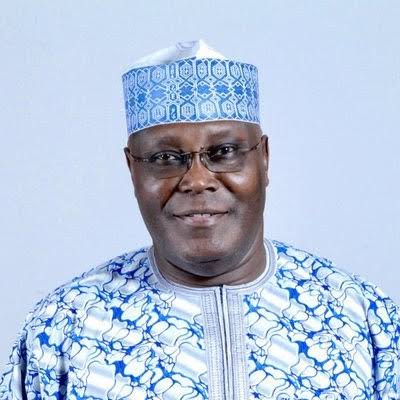
Former Vice President Atiku Abubakar has reportedly selected former Minister of Transportation, Rotimi Amaechi, as his running mate for the 2027 presidential election, a move that is already generating significant reactions across Nigeria’s political landscape.
The development comes as opposition parties continue to position themselves for what is expected to be one of the most competitive presidential contests in recent Nigerian history. Political analysts believe the pairing could reshape political calculations ahead of the election, particularly in the South-South and North-East regions where both politicians command substantial influence.
Amaechi, a former Governor of Rivers State and one of the most prominent figures in Nigeria’s political establishment, brings decades of political experience to the proposed ticket. His tenure as Minister of Transportation under the administration of former President Muhammadu Buhari elevated his national profile, particularly through major railway infrastructure projects executed during his time in office.
Supporters of the alliance argue that the combination of Atiku’s extensive national network and Amaechi’s political reach could strengthen the opposition’s chances against the ruling All Progressives Congress (APC). They maintain that both politicians possess the administrative experience required to address the country’s economic and security challenges.
However, critics have questioned whether the partnership can attract younger voters and first-time voters who increasingly demand fresh leadership and innovative solutions to Nigeria’s persistent problems. Some political observers also point to the growing fragmentation within opposition ranks as a major challenge that could undermine efforts to present a united front in 2027.
The announcement is expected to intensify political activities across the country as other presidential hopefuls continue consultations and coalition-building efforts. With less than a year to the election cycle, attention is gradually shifting toward candidate selection, party strategies, and voter mobilization.
As Nigerians continue to grapple with economic pressures, insecurity, and governance concerns, the emergence of major political alliances is likely to dominate national conversations in the months ahead.
Political analysts say the coming weeks will be crucial in determining whether opposition parties can overcome internal differences and present a formidable challenge to President Bola Tinubu and the ruling APC in the next general election.
-

 News3 months ago
Oil Revenue Boost Prompts Renewed Optimism as Nigeria Targets Higher Production, Energy Sector Reforms
-
 News3 months ago
National Assembly Tightens Oversight on Electoral Reform Bills Ahead of 2027 Elections
-

 Lifestyle7 months ago
Nollywood Actor Ray Emodi Quits Acting to Pursue New Career
-

 News3 months ago
Rising Insecurity Sparks National Concern, Government Intensifies Counter-Insurgency Operations
-

 Breaking News3 months ago
Iran Closes Strait of Hormuz, Nuclear Talks Collapse Amid Lebanon Escalation
-

 Lifestyle7 months ago
Omah Lay Shock Fans by Shaving Off Hair on Instagram Live
-
 Uncategorized3 months ago
INEC Faces Pressure Over Voter Register Integrity Ahead of 2027 Elections
-

 Lifestyle7 months ago
Osas Okonyon and Abbey Wonder Deliver Soulful R&B Duet ‘All My Love’ From EVI Soundtrack