Business
Naira Pressure Persists as Inflation, Cost of Living Dominate Economic Debate

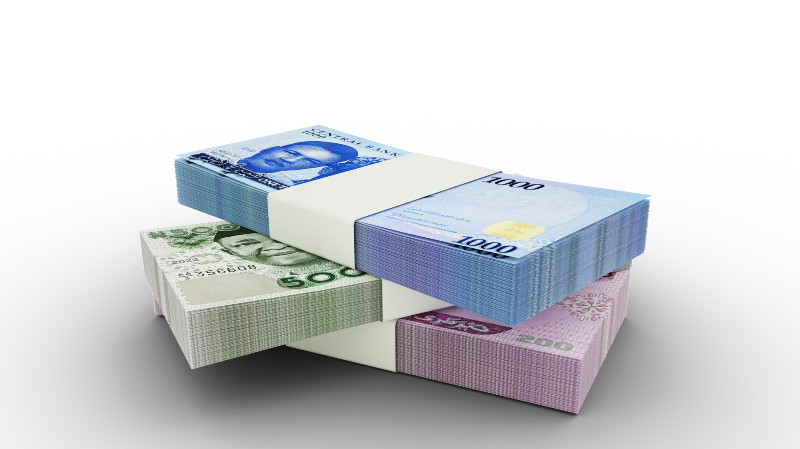
Nigeria’s economic landscape continues to face significant pressure as inflationary trends, currency volatility, and rising living costs dominate national discussions among policymakers, businesses, and households.
The naira has remained under strain in the foreign exchange market despite ongoing policy measures aimed at stabilizing supply and improving liquidity. Analysts say demand for foreign exchange continues to outpace supply, creating persistent pressure on the local currency.
Inflation remains a central concern, with prices of food, transportation, and essential commodities continuing to impact household purchasing power. Many Nigerians report that wage growth has not kept pace with rising costs, leading to widespread concerns about declining living standards.
The Central Bank of Nigeria has maintained efforts to manage inflation through monetary policy adjustments, liquidity control measures, and reforms aimed at improving transparency in the foreign exchange system. However, experts argue that structural issues in production, logistics, and energy supply continue to limit the effectiveness of short-term interventions.
Business operators are also feeling the impact, particularly small and medium-sized enterprises struggling with higher input costs, import expenses, and energy-related challenges. Many firms have been forced to adjust pricing structures or scale down operations to remain viable.
Economists say that improving domestic production capacity remains critical to achieving long-term stability. They emphasize the need for increased investment in agriculture, manufacturing, and infrastructure to reduce reliance on imports and strengthen economic resilience.
Government officials continue to highlight ongoing reform initiatives designed to attract foreign investment and boost revenue generation. These include fiscal adjustments, tax reforms, and efforts to expand non-oil revenue sources.
Despite these measures, public sentiment remains cautious as many households continue to adjust to the realities of a high-cost economy. Social commentators argue that restoring confidence will require visible improvements in income levels, job creation, and price stability.
Financial analysts note that investor interest in Nigeria remains mixed, with optimism driven by long-term growth potential but tempered by short-term macroeconomic challenges.
As economic discussions intensify, attention is expected to remain focused on monetary policy direction, exchange rate stability, and government reform implementation in the months ahead.
For many Nigerians, the central question remains how quickly current policies can translate into tangible relief in everyday living conditions.
-

 News3 months ago
Oil Revenue Boost Prompts Renewed Optimism as Nigeria Targets Higher Production, Energy Sector Reforms
-
 News3 months ago
National Assembly Tightens Oversight on Electoral Reform Bills Ahead of 2027 Elections
-

 Lifestyle7 months ago
Nollywood Actor Ray Emodi Quits Acting to Pursue New Career
-

 News3 months ago
Rising Insecurity Sparks National Concern, Government Intensifies Counter-Insurgency Operations
-

 Breaking News3 months ago
Iran Closes Strait of Hormuz, Nuclear Talks Collapse Amid Lebanon Escalation
-
 Uncategorized3 months ago
INEC Faces Pressure Over Voter Register Integrity Ahead of 2027 Elections
-

 Lifestyle7 months ago
Omah Lay Shock Fans by Shaving Off Hair on Instagram Live
-

 Lifestyle7 months ago
Osas Okonyon and Abbey Wonder Deliver Soulful R&B Duet ‘All My Love’ From EVI Soundtrack