News
National Assembly Tightens Oversight on Electoral Reform Bills Ahead of 2027 Elections

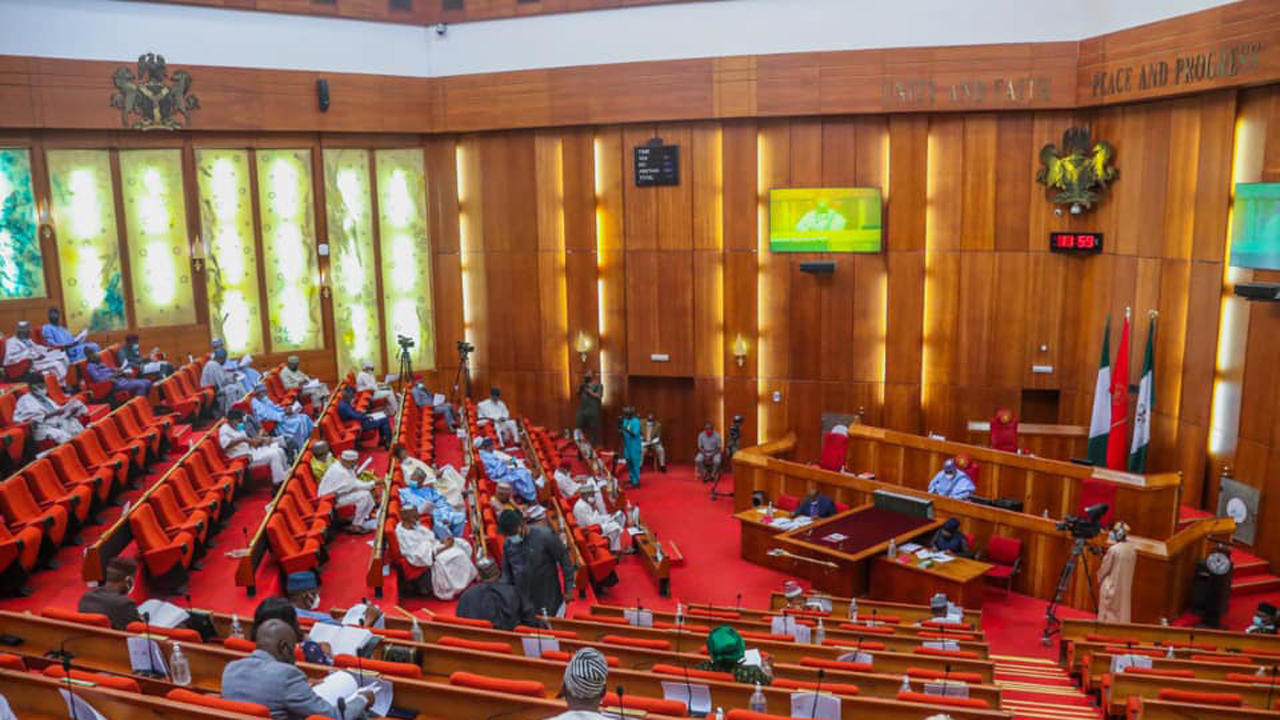
The National Assembly has stepped up legislative scrutiny of proposed electoral reform bills as political stakeholders accelerate preparations for the 2027 general elections, with lawmakers signalling that key amendments could reshape Nigeria’s electoral framework.
Discussions currently before both chambers focus on strengthening provisions around electronic transmission of results, improving voter accreditation systems, and tightening compliance requirements for political parties. Lawmakers say the reforms are aimed at reducing electoral disputes and improving public confidence in the voting process.
Committee sources indicate that several provisions under review are designed to address gaps identified in previous elections, particularly around logistics, result collation transparency, and the role of technology in real-time reporting. Legislators are also examining penalties for electoral malpractice and stronger enforcement mechanisms for INEC directives.
Political stakeholders have expressed mixed reactions to the proposed reforms. While civil society organisations and election monitors welcome moves to enhance transparency, some party representatives have raised concerns about implementation capacity and potential technical challenges in rural areas.
The Independent National Electoral Commission has continued to engage with lawmakers, providing technical input on proposed amendments. Officials maintain that sustained collaboration between the legislature and electoral body is essential to ensuring workable and credible reforms.
Analysts note that the timing of the legislative push is significant, coming at a stage when political parties are already restructuring and positioning themselves for the next election cycle. They argue that the outcome of these reforms could influence campaign strategies, voter turnout, and dispute resolution mechanisms.
Security agencies have also been factored into discussions, particularly regarding election-day deployment, protection of electoral materials, and prevention of violence in high-risk areas. Lawmakers are reportedly considering stronger coordination frameworks between INEC and security institutions.
Opposition voices have urged caution, warning that electoral reforms must remain inclusive and not be rushed in ways that could undermine democratic participation. They argue that broad consultation is necessary to ensure legitimacy and public acceptance.
With less than two years to the next general elections, the National Assembly’s handling of the reform process is expected to play a central role in shaping Nigeria’s political environment. Observers say the next few months will be critical as final decisions are taken on key legislative proposals.
The electoral reform debate is now emerging as one of the most consequential political developments ahead of 2027, with implications for candidates, parties, and the broader democratic process.
News
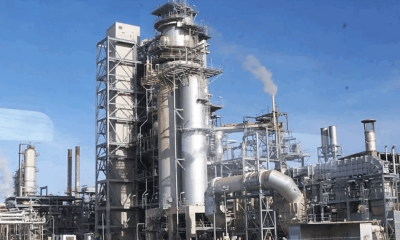
Oil Revenue Boost Prompts Renewed Optimism as Nigeria Targets Higher Production, Energy Sector Reforms
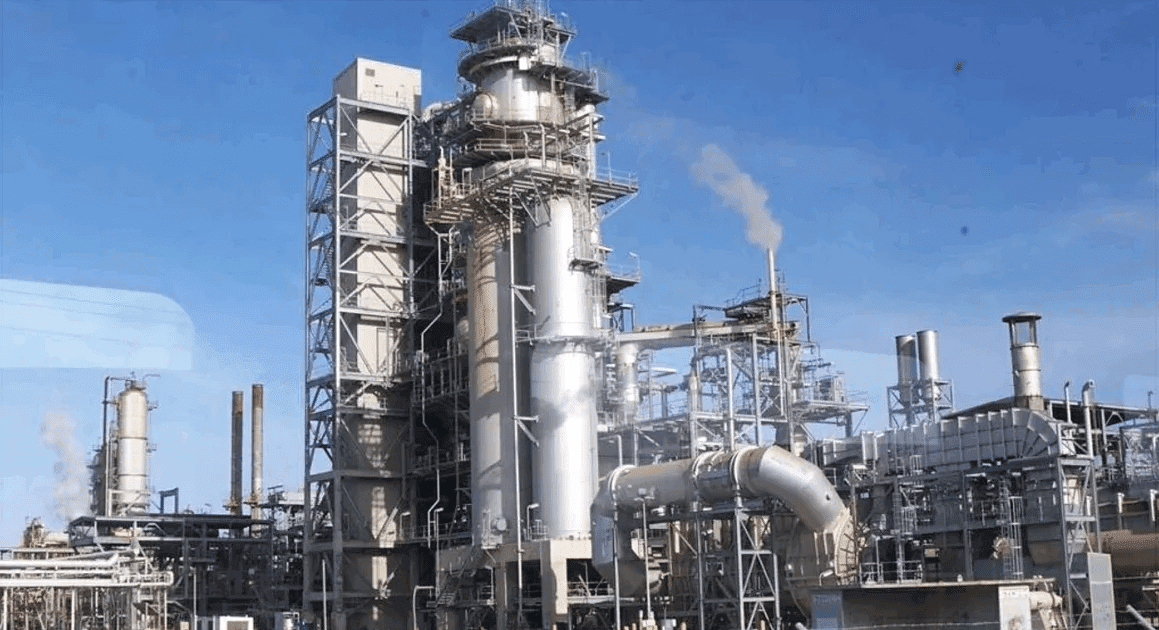
Nigeria’s oil and gas industry is witnessing renewed attention as policymakers and operators explore strategies to increase production levels, improve revenue inflows, and strengthen overall sector performance amid global energy uncertainty.
Recent assessments within the industry suggest that incremental gains in crude output, combined with improved export efficiency, could provide much-needed fiscal relief for government finances. Authorities are also prioritizing measures aimed at reducing oil theft and pipeline vandalism, which have historically constrained production capacity.
The Nigerian National Petroleum Company Limited, alongside regulatory agencies, has intensified collaboration with security forces and host communities to safeguard critical infrastructure in oil-producing regions. These efforts are part of broader initiatives to stabilize output and improve investor confidence in the sector.
Energy analysts note that Nigeria’s revenue outlook remains closely tied to global crude oil prices, which continue to fluctuate in response to geopolitical developments and shifts in global demand. While higher prices offer short-term gains, volatility remains a key risk factor for fiscal planning.
The government has reiterated its commitment to reforms designed to enhance transparency, attract foreign investment, and streamline regulatory processes within the petroleum sector. These reforms are aimed at creating a more competitive and predictable investment environment.
Attention is also shifting toward natural gas development, which policymakers increasingly view as a strategic transition fuel. Plans to expand gas infrastructure are expected to support industrial growth, power generation, and export diversification over the long term.
Private sector stakeholders have called for faster approval processes, improved infrastructure, and consistent policy direction to unlock new investments. They argue that regulatory stability is essential for sustaining long-term capital inflows into the energy sector.
Despite ongoing challenges, analysts remain cautiously optimistic about Nigeria’s oil sector prospects, citing the country’s significant reserves and strategic importance in global energy markets.
However, they caution that sustained progress will depend on addressing security risks, improving governance frameworks, and ensuring efficient management of oil revenues.
As Nigeria continues to navigate energy transition pressures and fiscal constraints, the oil and gas sector is expected to remain central to national economic strategy, with reforms likely to shape its trajectory in the coming years.

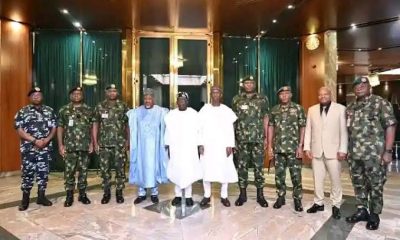
Nigeria’s security architecture is once again under intense scrutiny as the Federal Government signals a renewed push to intensify counter-kidnapping and anti-banditry operations following a recent spike in violent incidents across multiple states.
Security briefings from authorities indicate that coordinated operations are being expanded in identified hotspots, particularly along major highways and rural corridors where armed groups have continued to target commuters, farmers, and isolated communities.
Military sources say ongoing operations are being adjusted to improve rapid response capability, intelligence-led deployments, and inter-agency coordination. The strategy reportedly includes enhanced surveillance, tactical raids on identified hideouts, and increased air-ground coordination in difficult terrain.
The latest developments have triggered fresh concern among citizens and civil society organisations, many of whom argue that insecurity has become one of the most urgent national challenges. Reports of abductions and attacks in several regions have intensified public pressure on authorities to deliver faster and more visible results.
Government officials maintain that significant progress has been recorded in dismantling criminal networks, even as they acknowledge that security threats remain dynamic and require sustained effort. They have also reiterated commitments to strengthening community-based intelligence systems as part of a broader national security strategy.
Security analysts argue that the complexity of Nigeria’s security challenges demands both military and non-military interventions, including poverty reduction, education access, and local governance reforms. They warn that purely kinetic responses may not fully resolve underlying drivers of insecurity.
State governments have also increased collaboration with federal security agencies, introducing local vigilante support structures and emergency response frameworks aimed at improving rural safety. However, concerns persist about resource constraints and coordination gaps in some regions.
Human rights organisations continue to call for greater protection of civilians, especially in vulnerable communities affected by repeated attacks. They stress the need for accountability, victim support systems, and improved rehabilitation for displaced persons.
Political leaders across party lines have weighed in on the situation, with opposition figures criticising the pace of response while government supporters argue that inherited structural problems require time and sustained intervention.
As insecurity remains a dominant national issue, its impact is expected to continue shaping public discourse, governance priorities, and political positioning ahead of future elections.
For many Nigerians, the central demand remains clear: a measurable reduction in violence and a return to stability across affected regions.
News
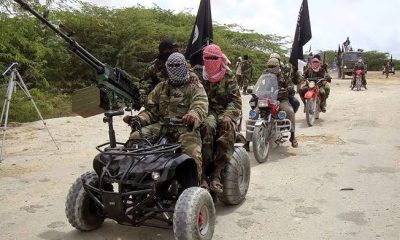
Rising Insecurity Sparks National Concern, Government Intensifies Counter-Insurgency Operations
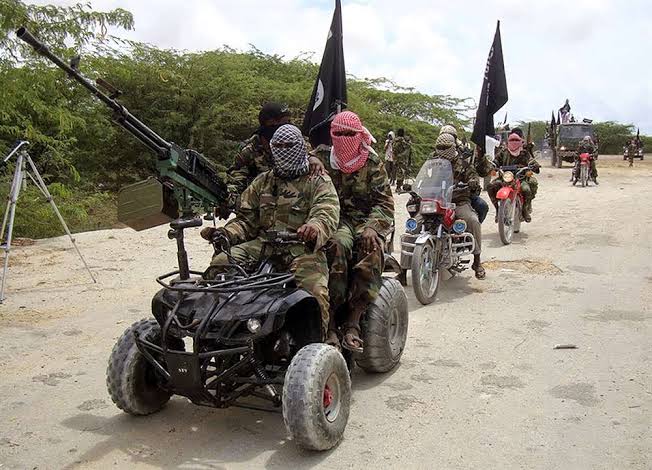
Nigeria’s worsening security situation has once again taken center stage in national discourse, with fresh concerns emerging over bandit attacks, kidnappings, and insurgent activities across several states.
Reports from different regions indicate continued incidents involving armed groups targeting rural communities, highways, and vulnerable settlements, prompting renewed calls for stronger security interventions and improved intelligence coordination.
The Federal Government has repeatedly assured citizens that security agencies are making progress in combating criminal networks. Military authorities have intensified operations in identified hotspots, particularly in parts of the North-West, North-Central, and North-East regions where armed violence has remained persistent.
Security experts argue that while tactical victories have been recorded in some operations, the underlying drivers of insecurity—including unemployment, porous borders, arms proliferation, and weak local intelligence structures—remain significant challenges.
Community leaders in affected areas continue to appeal for increased deployment of security personnel and better protection of rural communities. Many residents say they feel increasingly vulnerable due to recurring attacks and delayed emergency responses.
The government has also emphasized the importance of community policing and collaboration between local vigilante groups and formal security agencies. Authorities believe that decentralised security approaches may help improve rapid response and intelligence gathering.
Human rights organisations, however, have raised concerns about the humanitarian impact of ongoing insecurity, particularly displacement of families, disruption of education, and loss of livelihoods. They have urged the government to balance military operations with long-term peacebuilding strategies.
Political leaders across party lines have also weighed in on the issue, with opposition figures criticising the pace of government response, while ruling party officials maintain that the administration is actively addressing security threats inherited from previous years.
Analysts note that insecurity remains one of the most influential issues shaping public opinion ahead of future elections. They argue that voters are increasingly prioritising safety, economic stability, and effective governance when evaluating political leadership.
Despite ongoing challenges, security agencies have reiterated their commitment to restoring peace and dismantling criminal networks operating across the country. Military leadership insists that sustained operations, improved funding, and enhanced coordination will gradually yield better outcomes.
As Nigeria continues to grapple with complex security threats, attention is expected to remain focused on both immediate operational responses and long-term structural reforms aimed at restoring lasting stability across affected regions.
-
 News3 months ago
Oil Revenue Boost Prompts Renewed Optimism as Nigeria Targets Higher Production, Energy Sector Reforms
-

 Lifestyle7 months ago
Nollywood Actor Ray Emodi Quits Acting to Pursue New Career
-
 News3 months ago
Rising Insecurity Sparks National Concern, Government Intensifies Counter-Insurgency Operations
-

 Breaking News3 months ago
Iran Closes Strait of Hormuz, Nuclear Talks Collapse Amid Lebanon Escalation
-

 Lifestyle7 months ago
Omah Lay Shock Fans by Shaving Off Hair on Instagram Live
-
 Uncategorized3 months ago
INEC Faces Pressure Over Voter Register Integrity Ahead of 2027 Elections
-

 Lifestyle7 months ago
Osas Okonyon and Abbey Wonder Deliver Soulful R&B Duet ‘All My Love’ From EVI Soundtrack
-
 News3 months ago
FG Moves to Intensify Security Operations as Kidnapping Surge Nationwide