Breaking News
Iran Closes Strait of Hormuz, Nuclear Talks Collapse Amid Lebanon Escalation

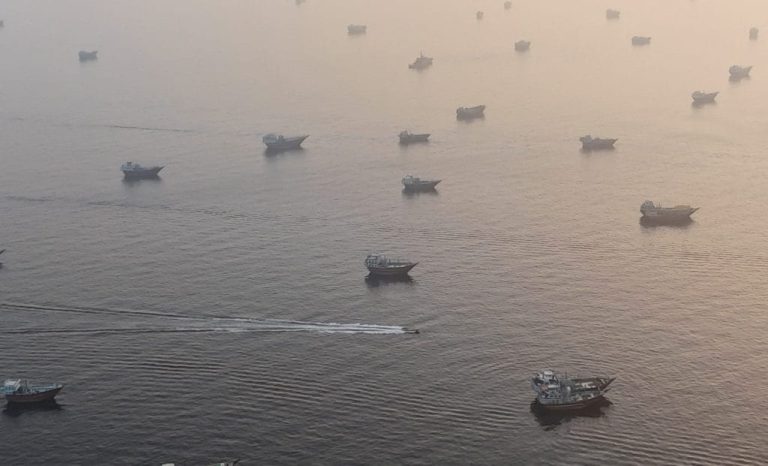
Iran has again tightened control over the Strait of Hormuz following renewed regional tensions, issuing directives that effectively disrupted maritime movement through one of the world’s most critical oil transit routes.
The move comes alongside the abrupt suspension of planned nuclear negotiations with the United States, as diplomatic channels buckle under escalating violence linked to Israeli military operations in Lebanon and the continued presence of US forces in the region.
Reports indicate that Iranian authorities, through the Islamic Revolutionary Guard Corps, issued warnings to commercial vessels in the Gulf, signalling a renewed restriction on passage through the Strait of Hormuz. The development triggered confusion in global shipping markets, with conflicting indications emerging over whether the waterway was fully closed or operating under strict Iranian oversight. The Strait, which carries a significant share of global oil and gas shipments, has repeatedly become a pressure point in broader geopolitical confrontations involving Iran, the United States, and Israel.
The maritime disruption coincides with Iran’s decision to suspend participation in scheduled nuclear talks with Washington. Iranian officials linked their withdrawal to ongoing Israeli strikes in Lebanon, insisting that continued military activity and the perceived failure of the United States to restrain its ally made diplomatic engagement untenable at this stage. The planned negotiations, which were expected to build on recent interim understandings aimed at stabilizing regional tensions and restoring energy transit flows, have now been indefinitely delayed.
Tensions have also been heightened by Iran’s insistence on greater control over shipping through the Strait of Hormuz, including new regulatory measures and proposals for maritime fees on transiting vessels. These steps are widely viewed as part of a broader strategy to exert leverage in ongoing negotiations and respond to Western naval presence in the Gulf.
The developments underscore the fragile nature of current Middle East diplomacy, where parallel conflicts in Lebanon, maritime security in the Gulf, and stalled nuclear discussions are increasingly interconnected. With oil markets already reacting to uncertainty and shipping operators reassessing risk exposure, analysts warn that further escalation could deepen volatility across global energy and trade routes.

-
 News3 months ago
Oil Revenue Boost Prompts Renewed Optimism as Nigeria Targets Higher Production, Energy Sector Reforms
-
 News3 months ago
National Assembly Tightens Oversight on Electoral Reform Bills Ahead of 2027 Elections
-

 Lifestyle7 months ago
Nollywood Actor Ray Emodi Quits Acting to Pursue New Career
-

 News3 months ago
Rising Insecurity Sparks National Concern, Government Intensifies Counter-Insurgency Operations
-

 Lifestyle7 months ago
Osas Okonyon and Abbey Wonder Deliver Soulful R&B Duet ‘All My Love’ From EVI Soundtrack
-

 Uncategorized3 months ago
INEC Faces Pressure Over Voter Register Integrity Ahead of 2027 Elections
-

 Lifestyle7 months ago
Omah Lay Shock Fans by Shaving Off Hair on Instagram Live
-

 News3 months ago
FG Moves to Intensify Security Operations as Kidnapping Surge Nationwide