
News
Nigerians React to Proposed 5% Fuel Tax: Is it Another Burden or Necessary for Development?

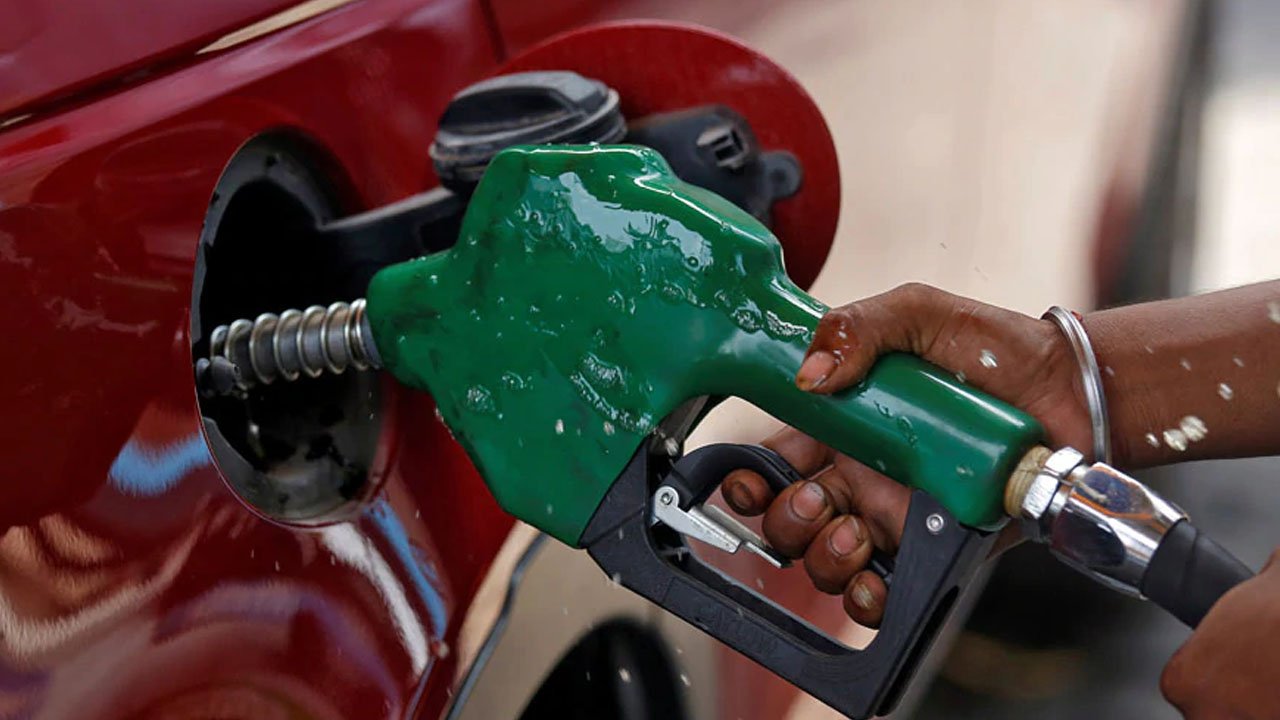
Recently, the Nigerian government sparked a wave of controversy after announcing the potential introduction of a 5% surcharge on every 10 liters of fuel purchased. Though the start date for this policy remains uncertain, the announcement has raised concerns among Nigerians, many of whom view it as yet another burden amid the country’s economic challenges.
Understanding the Policy: A Clarification from the Government
The Finance Minister, Wale Edun, sought to clarify that the proposed surcharge is not a new tax but rather a long-standing provision that was first introduced under the federal Road Maintenance Agency (FERMA) Act of 2007. According to Edun, the inclusion of the surcharge in the 2025 Nigeria Tax Administration Act is aimed at harmonizing and enhancing transparency in tax collection.
He assured the public that the surcharge is not an immediate reality. There are currently no plans to implement the tax, and no commencement order has been issued. Edun emphasized that the 5% surcharge has been part of Nigerian law since 2007, and its inclusion in the new law is merely for organizational clarity.
Public Reaction: Widespread Anger and Concerns
Despite the assurances from the government, the announcement has generated significant backlash across the country. Many Nigerians view the introduction of this surcharge as insensitive, particularly after the recent fuel subsidy removal that saw fuel prices skyrocket from N167 per liter to between N865 and N1,000 per liter, depending on location.
The dramatic increase in fuel prices has left Nigerians grappling with rising living costs. The introduction of a new surcharge is seen by many as an additional strain on their already tight budgets. Social media has been buzzing with discussions, with citizens expressing anger and frustration over the proposed policy.
Nigerians Speak Out: From Real Estate Agents to Okada Riders
In Lagos, many residents are voicing their concerns about the impact of this proposed surcharge on their daily lives.
Taiwo Oladosun, a real estate agent, expressed strong opposition, arguing that introducing any form of fuel surcharge at this time would exacerbate the financial struggles faced by the average Nigerian. He noted that, given the current economic climate, many individuals simply cannot afford an additional tax burden.
Johnson Olagunji, a concerned citizen, suggested that if the government is indeed moving forward with the surcharge, there should be strict monitoring of fuel stations to ensure transparency in fuel measurement. He pointed out that customers often receive less than what they pay for, which could amplify the financial strain if the surcharge is implemented without oversight.
Gabriel Adigun, a daily commuter and businessman, the tax would have a significant impact on transportation costs, making it even more difficult to manage his family’s budget.
Meanwhile, Ozo Darlington, an Okada rider, expressed his frustration humorously, saying that it felt as though the government could soon tax the air they breathe. He questioned the government’s empathy for the struggles of the average Nigerian, adding that the cost of fuel was already draining their pockets.
Fuel attendants like Kikelomo Oluwatosin and Kingsley Ibe also chimed in, acknowledging that while they are bound by government directives, they recognize that the proposed surcharge will likely lead to more public discontent. Oluwatosin remarked that the growing number of complaints about fuel prices would only intensify if the surcharge was introduced.
Criticism from Trade Unions and Political Figures
The proposal has not only been criticized by everyday Nigerians but also by major organizations and political figures. The Nigeria Labour Congress (NLC), Trade Union Congress (TUC), and various manufacturers’ associations have all condemned the idea of implementing this surcharge.
One of the most vocal critics has been Peter Obi, former presidential candidate of the Labour Party. Obi took to social media to express his concerns, questioning when Nigerians would catch a break from the increasing economic burdens. He pointed out that many Nigerians are already struggling to afford basic transportation costs and that the 5% fuel surcharge would only make matters worse.
He also criticized the government’s focus on generating more revenue rather than addressing the underlying issues of poverty and inadequate infrastructure. Obi argued that the government should first use any surplus revenues to improve essential sectors such as healthcare and education before imposing new taxes on citizens who are already facing immense hardship.
The Bigger Picture: Can Taxation Drive Development?
As this debate continues to unfold, the question arises: can taxation truly lead to the development and betterment of Nigerian society? While some argue that taxes are necessary for funding infrastructure and public services, many Nigerians are unconvinced by the government’s promises. They point to years of unfulfilled promises and the growing disparity between the rich and the poor.
For many, the introduction of new taxes without visible improvements in public services or quality of life feels like a betrayal. Nigerians are calling for leadership that prioritizes the welfare of the citizens and addresses the root causes of poverty and inequality before adding more financial pressure.
Conclusion:
While the 5% fuel tax has not been formally implemented yet, the reactions from Nigerians suggest that the government may need to reassess its timing and approach. If taxes are to be introduced, there must be greater transparency and accountability in how the collected funds are used.
At the heart of the debate is a desire for tangible improvements in education, healthcare, infrastructure, and overall living conditions. Until the government can demonstrate a clear benefit from new taxes, many Nigerians remain skeptical of policies that add to their financial burdens.
As the conversation around the 5% fuel tax continues, it will be interesting to see how the government responds to the growing public pressure and whether the policy will be revised or delayed in light of the widespread opposition.


-
 News7 days ago
BREAKING: Wike Ally, Senator Barinada Mpigi Is Dead
-
 News6 days ago
Chief of Naval Operations, Dies After Brief Illness
-
 News15 hours ago
DIG Frank Mba Retires Following Appointment of AIG Olatunji Disu as IGP
-
 News14 hours ago
US Court Jails Ex-NNPC Executive Paulinus Okoronkwo 87 Months Over $2.1m Bribe